


NEC Approves N83.21 Billion for National Anti-Flood Task Force, Cuts Proposed Budget by 50%
Article Description
The National Economic Council (NEC) has approved N83.21 billion for the establishment and operations of a national anti-flood task force aimed at mitigating the impact of flooding and other climate-related disasters across Nigeria. The council reduced the initial budget proposal by 50 percent, emphasizing fiscal responsibility while maintaining a commitment to disaster preparedness and environmental protection.
NEC Approves N83.21 Billion for National Anti-Flood Task Force, Cuts Proposed Budget by 50%
Introduction
Nigeria's efforts to combat recurring floods and climate-related disasters have received a major boost following the approval of N83.21 billion by the National Economic Council (NEC) for a dedicated anti-flood task force.
The approval comes amid growing concerns over the increasing frequency and severity of flooding incidents across various parts of the country, which have continued to threaten lives, livelihoods, infrastructure, and agricultural production.
Notably, the council reportedly reduced the original budget proposal by half before granting approval, signaling a balance between urgent environmental intervention and prudent management of public resources.
The decision reflects Nigeria's broader strategy to strengthen disaster preparedness and build resilience against the growing effects of climate change.
The National Economic Council approved N83.21 billion to support the activities of a specialized anti-flood task force tasked with addressing flood risks and coordinating mitigation measures nationwide.
According to reports, the initial proposal presented to the council was significantly higher. However, after deliberations, NEC approved a revised allocation that represented approximately 50 percent of the original request.
The approved funds are expected to support projects and interventions designed to reduce the impact of flooding in vulnerable communities across Nigeria.
Officials indicated that the initiative will focus on preventive measures, emergency preparedness, infrastructure protection, and coordinated responses to climate-related threats.
Nigeria's Recurring Flood Crisis
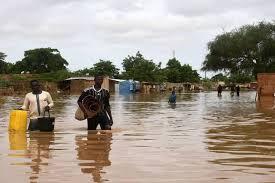
Flooding has become one of Nigeria's most devastating environmental challenges.
In recent years, severe floods have affected numerous states, causing:
- Loss of lives.
- Destruction of homes.
- Damage to roads and bridges.
- Displacement of communities.
- Agricultural losses.
- Economic disruptions.
Experts attribute the growing threat to a combination of factors, including heavy rainfall, poor drainage systems, rapid urbanization, environmental degradation, and climate change.
Many communities located near rivers, floodplains, and coastal areas remain particularly vulnerable during the rainy season.
The economic cost of flooding has continued to rise, prompting increased calls for proactive interventions rather than reactive emergency responses.
Why the Anti-Flood Task Force Matters
The newly approved anti-flood task force is expected to serve as a coordinating body for flood prevention and disaster management efforts.
Its responsibilities may include:
Risk Assessment
Identifying flood-prone areas and assessing vulnerabilities across states and communities.
Early Warning Systems
Improving monitoring and communication systems to alert residents before flood events occur.
Infrastructure Protection
Supporting drainage projects, embankments, erosion control measures, and other protective infrastructure.
Emergency Preparedness
Strengthening response mechanisms for evacuation, rescue operations, and humanitarian assistance.
Inter-Agency Coordination
Facilitating collaboration among federal, state, and local authorities responsible for disaster management.
Analysts believe that effective coordination could significantly improve Nigeria's capacity to manage environmental emergencies.
Budget Reduction Reflects Fiscal Prudence
One of the most notable aspects of the approval was NEC's decision to reduce the proposed budget by approximately 50 percent.
Economic observers say the move demonstrates an effort to balance critical infrastructure and environmental needs with broader fiscal realities.
Nigeria continues to face competing demands on public resources, including investments in healthcare, education, transportation, security, and economic development.
By approving a reduced budget while retaining the project, the council appears to have prioritized efficiency and cost-effectiveness.
Public finance experts note that accountability and transparent implementation will be crucial to ensuring value for money.
Climate Change and Growing Flood Risks
Climate experts warn that Nigeria is increasingly vulnerable to the effects of climate change.
Rising temperatures and changing rainfall patterns have contributed to more frequent extreme weather events, including floods and droughts.
Environmental specialists emphasize that climate adaptation strategies must become a central component of national development planning.
Flood mitigation initiatives such as the anti-flood task force are viewed as part of broader efforts to strengthen resilience against future climate-related challenges.
Experts argue that investment in prevention is often more cost-effective than post-disaster recovery and reconstruction.
Economic Impact of Flooding
Flooding affects nearly every sector of the economy.
Agriculture
Nigeria's agricultural sector frequently suffers significant losses when farms are submerged and crops destroyed.
Infrastructure
Roads, bridges, schools, and public facilities often sustain costly damage during severe flood events.
Businesses
Commercial activities are disrupted when markets, shops, and transportation networks are affected.
Communities
Families may lose homes, personal property, and sources of income.
Economists estimate that reducing flood-related losses could save billions of naira annually and improve long-term economic stability.
The NEC decision has attracted reactions from environmental experts, disaster management professionals, and development stakeholders.
Many welcomed the approval, describing it as a necessary step toward reducing Nigeria's vulnerability to natural disasters.
Some stakeholders, however, stressed that funding alone will not solve the problem.
They called for:
- Transparent implementation.
- Regular project monitoring.
- Community participation.
- Strong environmental enforcement.
- Sustainable urban planning.
Experts argue that successful flood management requires both infrastructure investments and behavioral changes at the community level.
With funding now approved, relevant agencies are expected to begin implementation planning and operational activities.
Authorities will likely identify priority intervention areas based on flood-risk assessments and historical data.
The anti-flood task force is also expected to collaborate with agencies responsible for emergency management, environmental protection, water resources, and infrastructure development.
Stakeholders will be watching closely to assess how efficiently the approved funds are utilized and whether measurable improvements are achieved.
Disaster management experts consistently emphasize that flood prevention requires long-term planning rather than short-term emergency responses.
The establishment of a dedicated anti-flood task force could strengthen institutional coordination and improve preparedness if properly funded and managed.
However, experts caution that success will depend on effective implementation, accountability mechanisms, and cooperation among all levels of government.
The decision by NEC reflects growing recognition that climate-related disasters pose significant economic and humanitarian risks that require sustained national attention.
The approval of N83.21 billion for a national anti-flood task force marks a significant step in Nigeria's efforts to address recurring flooding and climate-related disasters.
By reducing the original budget proposal while maintaining support for the initiative, the National Economic Council has sought to balance environmental priorities with fiscal discipline.
As implementation begins, Nigerians will be looking to see whether the initiative can deliver meaningful improvements in flood prevention, disaster preparedness, and community resilience across the country.